
Selling your land
Selling Land with a Mobile Home: What You Need to Know
Planning to sell land with a mobile home? Learn valuation tips, legal requirements, and whether to sell together or separately for the best outcome.
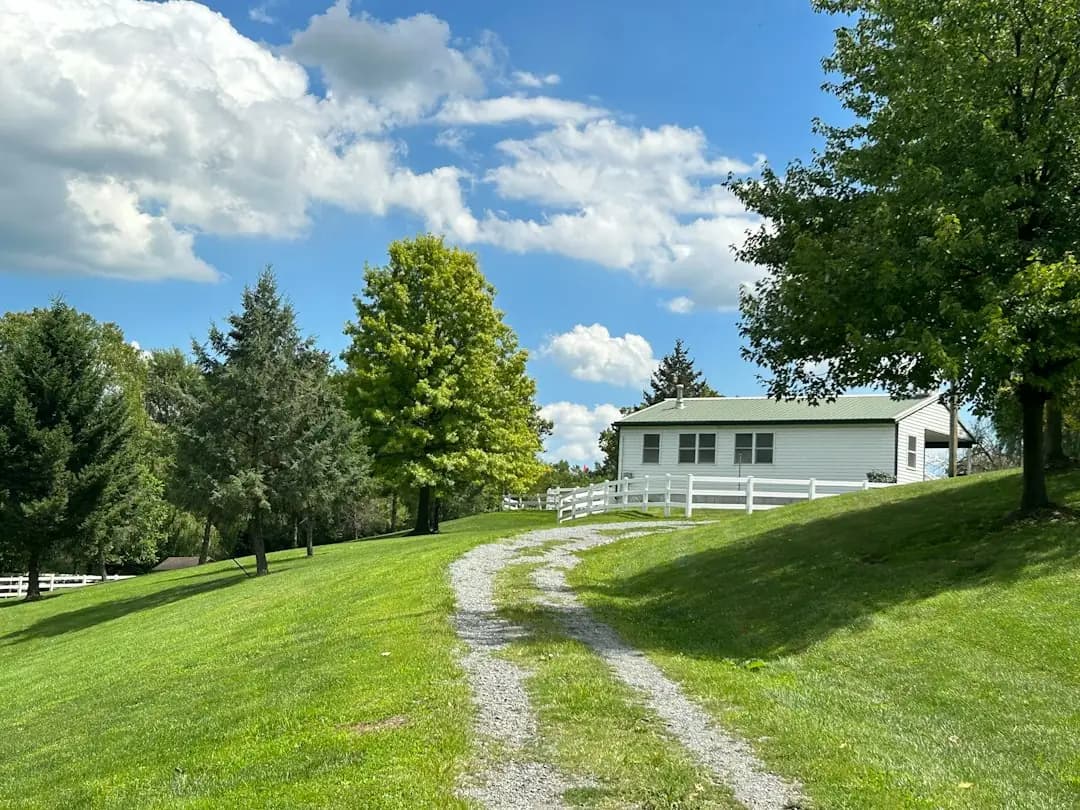
Understanding Your Property's Unique Position
When you own land with a mobile home on it, you're dealing with two distinct assets that can significantly impact your selling strategy. Many landowners wonder whether their mobile home adds value or creates complications when it's time to sell. The answer depends on several factors, including the home's condition, local market demand, and how the property is titled.
Mobile homes (also called manufactured homes) follow different rules than traditional stick-built houses. Understanding these differences will help you make informed decisions about how to market and price your property. Whether you're looking to sell your Texas land or property in another state, knowing your options gives you negotiating power.
Deciding Whether to Sell Together or Separately
Your first major decision is whether to sell the land and mobile home as a package deal or separate them. Each approach has distinct advantages and challenges.
Selling as a Package
Selling both together often makes sense when the mobile home is in good condition and permanently affixed to the land. This approach appeals to buyers looking for immediate housing or investment properties. The convenience factor can justify a higher asking price, especially in areas with housing shortages.
However, package deals can limit your buyer pool. Some land investors only want vacant land, while mobile home buyers may not want to purchase property. You'll need to price competitively for both markets, which can be tricky.
Separating Land and Home
Selling separately gives you flexibility but requires more work. You'll need to arrange for the mobile home's removal, which can cost $3,000 to $8,000 depending on size and distance. This option works best when the land has more value than the home, or when the mobile home is older and potentially hurting your land's marketability.
If you're interested in selling raw land in South Carolina or other states, removing an old mobile home might actually increase your property's appeal to land buyers and investors.
Key Legal and Financial Considerations
The legal status of your mobile home significantly affects your selling process. Mobile homes can be titled as personal property (like a vehicle) or as real property (attached to the land deed). This distinction matters.
Title and Ownership Issues
If your mobile home has a separate title from the land, you're technically selling two different things. Some states require you to "retire" the mobile home title and convert it to real property before selling as one unit. This process varies by state and can take several weeks.
Check with your county recorder's office to determine your mobile home's current status. Buyers and their lenders will need clear title to both the land and home if you're selling together.
Tax Implications and Liens
Mobile homes may have different tax assessments than the land itself. Review your property tax statements to understand how each component is valued. Outstanding liens on either the land or mobile home must be resolved before closing. This includes property taxes, utility liens, and any loans secured by the assets.
Pricing Your Property Competitively
Determining fair market value for land with a mobile home requires research into both markets. Start by getting separate valuations for the land and the mobile home, then consider how they work together.
Land Valuation
Research recent sales of comparable vacant land in your area. Look at price per acre, location factors, and available utilities. Land value typically depends on size, road access, utilities, zoning, and development potential. Your land might be worth more to certain buyers if it's cleared and ready for new construction.
Mobile Home Value
Mobile homes depreciate like vehicles rather than appreciating like traditional homes. Age, condition, size, and brand all affect value. A mobile home older than 20 years may add little to no value, and in some cases could actually reduce your property's appeal. Newer homes (under 10 years) in excellent condition can contribute significantly to overall value.
Consider getting a professional appraisal if you're unsure. This investment (typically $300 to $500) can prevent costly pricing mistakes.
Market Conditions
Local demand drives pricing more than national trends. In rural areas with limited housing, a land-and-home package might command premium pricing. In rapidly developing areas, vacant land often sells better because buyers plan to build something new.
Marketing Strategies That Work
How you present your property determines which buyers you attract. High-quality photos are non-negotiable. Show the land's best features, the mobile home's condition (if selling together), and any improvements like wells, septic systems, or outbuildings.
Be transparent about the mobile home's age, condition, and any needed repairs. Buyers appreciate honesty and it prevents problems during inspections. If the home has upgrades like a new roof, updated plumbing, or energy-efficient windows, highlight these improvements.
Consider your target buyer. Families looking for affordable housing care about livability and school districts. Land investors focus on acreage, location, and development potential. Tailor your listing to speak to the most likely buyer type.
Finding the Right Buyer for Your Property
Different buyers have different priorities. Traditional homebuyers might want turnkey properties with financing options. Cash buyers and investors often move faster but may offer less, especially if the mobile home needs work.
Some buyers specifically seek land with existing structures they can renovate or replace. Others want vacant land and view the mobile home as an obstacle. Understanding your property's strongest selling point helps you target the right audience.
If you're ready to sell but want to avoid the complexity of marketing and showings, working with a direct land buyer can simplify the process. Companies that specialize in buying land in various conditions often purchase properties with mobile homes, handling all the details themselves.
Ready to Sell Your Land?
Selling land with a mobile home involves more steps than a simple vacant land sale, but understanding your options puts you in control. Whether you choose to sell together, separately, or to a direct buyer, the key is making informed decisions based on your property's specific situation and your timeline. If you want a straightforward sale without the hassle of listings, repairs, or prolonged negotiations, consider reaching out to a professional land buyer who can make a fair cash offer and close on your schedule.