
Land investing
Owner Financing Land Deals: Building Cash Flow from Raw Land
Learn how owner financing land deals create passive cash flow for sellers. Discover interest rates, down payments, and exit strategies for rural property.
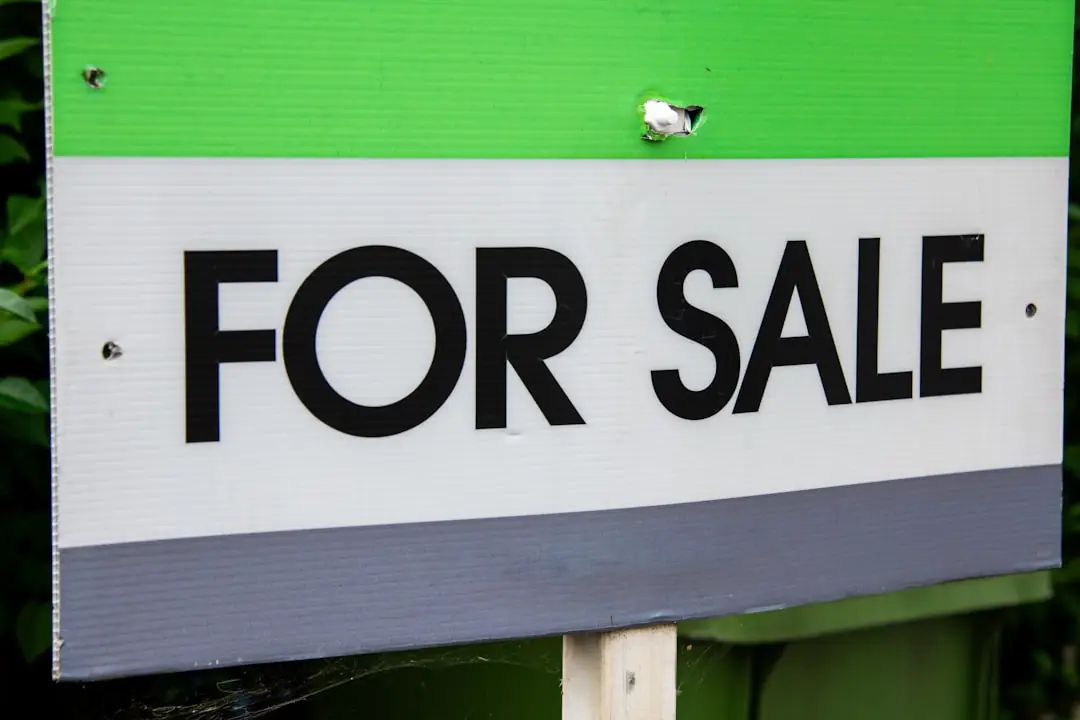
When you sell raw land with owner financing, you transform a one-time sale into a steady income stream that can last for years.
Most landowners assume selling property means waiting for a cash buyer with a bank loan, but owner financing opens the door to more buyers and potentially higher returns. Instead of handing over a deed and walking away with a check, you become the bank. Your buyer makes monthly payments directly to you, and those payments include interest that turns your land into a cash-flowing asset.
How Owner Financing Works for Raw Land
Owner financing (also called seller financing) means you sell your property without requiring the buyer to secure traditional bank financing. You hold the note, and the buyer sends you monthly payments until the balance is paid off or they refinance.
The basic structure includes a down payment (typically 10-30% of the purchase price), a fixed interest rate, and a repayment term (often 5-10 years with a balloon payment at the end). You retain the deed until the buyer pays in full, which protects your interests if they default.
Why Banks Don't Finance Raw Land
Traditional lenders view undeveloped property as high-risk collateral. Without structures or income potential, banks struggle to assign value and often decline loan applications for vacant lots and acreage. This creates an opportunity for landowners willing to finance. You fill a gap in the market and attract buyers who have down payment funds but can't qualify for conventional loans.
Many buyers looking for recreational land, future homesites, or investment properties in South Carolina prefer owner financing because it offers flexible terms and faster closings. You benefit from a larger pool of potential buyers and the ability to charge above-market interest rates.
Setting Terms That Generate Reliable Cash Flow
Your financing terms determine your monthly income and overall return. Most owner-financed land deals use simple interest rather than amortizing loans, which makes calculations straightforward.
Interest Rates and Down Payments
Interest rates on owner-financed land typically range from 8-12%, significantly higher than conventional mortgages. This premium compensates you for the risk and lack of liquidity. A $50,000 property sold with 20% down ($10,000) at 10% interest over 10 years generates roughly $530 per month before any balloon payment.
Require enough down payment to cover your immediate needs and signal buyer commitment. Twenty percent is standard, but some sellers accept less for highly desirable properties or inflate the price slightly to offset lower down payments. The down payment also cushions you against default since you can keep it if the buyer stops paying and you reclaim the land.
Loan Duration and Balloon Payments
Shorter terms (3-7 years) reduce your risk exposure but increase monthly payment amounts, which might price out some buyers. Longer terms (10-15 years) create lower monthly payments and attract more buyers but tie up your equity longer.
Many sellers use balloon payments to balance these factors. You might structure a 10-year amortization but require full payoff in 5 years. This keeps monthly payments affordable while ensuring you receive your principal in a reasonable timeframe. Buyers typically refinance through a traditional lender or sell the property before the balloon comes due.
Managing Risk and Protecting Your Investment
Owner financing isn't passive income in the strictest sense. You need systems to track payments, handle defaults, and protect your legal position.
Documentation and Legal Protections
Never finance land with a handshake agreement. Use a promissory note (the IOU), a deed of trust or mortgage (the security instrument), and potentially a land contract depending on your state. These documents outline payment terms, default remedies, and your right to foreclose if the buyer stops paying.
Hire a real estate attorney to draft or review these documents. Costs typically run $500-1500, but proper paperwork prevents disputes and streamlines foreclosure if needed. Record the deed of trust with your county to establish your lien priority and prevent the buyer from selling the property without paying you off.
What Happens When Buyers Default
Default rates on owner-financed land are higher than traditional mortgages because you're often selling to buyers who couldn't qualify elsewhere. Expect 10-20% of deals to require some intervention, whether late payment reminders or full foreclosure.
If a buyer defaults, you keep all payments made to date and reclaim the property through foreclosure or land contract forfeiture (depending on your state's laws). You can then resell the property with owner financing again, potentially creating multiple down payments and interest streams from the same parcel over time.
Some sellers view this cycle as a feature rather than a bug, especially when dealing with lower-priced recreational land. Each resale generates a new down payment, and the property returns to your inventory if buyers can't complete the purchase.
Exit Strategies and Selling Your Note
Owner financing doesn't lock you into collecting payments forever. You have options if you need lump-sum cash or want to exit the arrangement.
Selling Performing Notes
Note buyers purchase income streams from owner-financed deals, paying you a discounted lump sum for the right to collect future payments. If you hold a note worth $40,000 in remaining principal, a buyer might pay you $30,000-35,000 cash to take over payment collection.
Note buyers look for properties in good condition, buyers with payment history, and reasonable interest rates. New notes (less than 6 months old) sell at steeper discounts than seasoned notes with 12-24 months of on-time payments. This option works well if you need cash for another investment or simply want to liquidate without waiting years for full payoff.
Partial Note Sales
You can sell a portion of your note instead of the entire balance. For example, sell the next 36 months of payments for a cash lump sum while retaining the remaining balance. This provides immediate liquidity while preserving some future income.
Building a Land Cash Flow Portfolio
Some investors buy land specifically to sell with owner financing, treating rural property as an income-producing asset class. If you own multiple parcels or want to explore buying land in Texas for resale, this strategy creates diversified cash flow from a relatively hands-off investment.
The key is buying land at wholesale prices (30-50 cents on the dollar) and selling at retail with financing. Your profit comes from the spread plus years of interest income. Unlike rental properties, land requires no maintenance, no tenant management, and minimal ongoing expenses beyond property taxes.
Making Owner Financing Work for You
Selling land with owner financing turns a static asset into a monthly income stream while making your property attractive to more buyers. You earn above-market interest, collect regular payments, and maintain security through your lien position. The strategy requires proper documentation and occasional default management, but for landowners willing to take a long-term view, owner financing delivers cash flow that traditional sales simply can't match.
If you'd prefer an immediate cash sale instead of managing payments, She Buys Land purchases raw acreage across the country with fast closings and no financing contingencies.